
VideoWalls in Academia
In the world of high-level academic research, data is no longer just a collection of spreadsheets; it is a sprawling, multi-dimensional landscape. Whether it's mapping the geology of Mars, simulating climate change, or analyzing bioinformatic networks for medical breakthroughs, the ability to see the big picture without losing the fine details is critical.
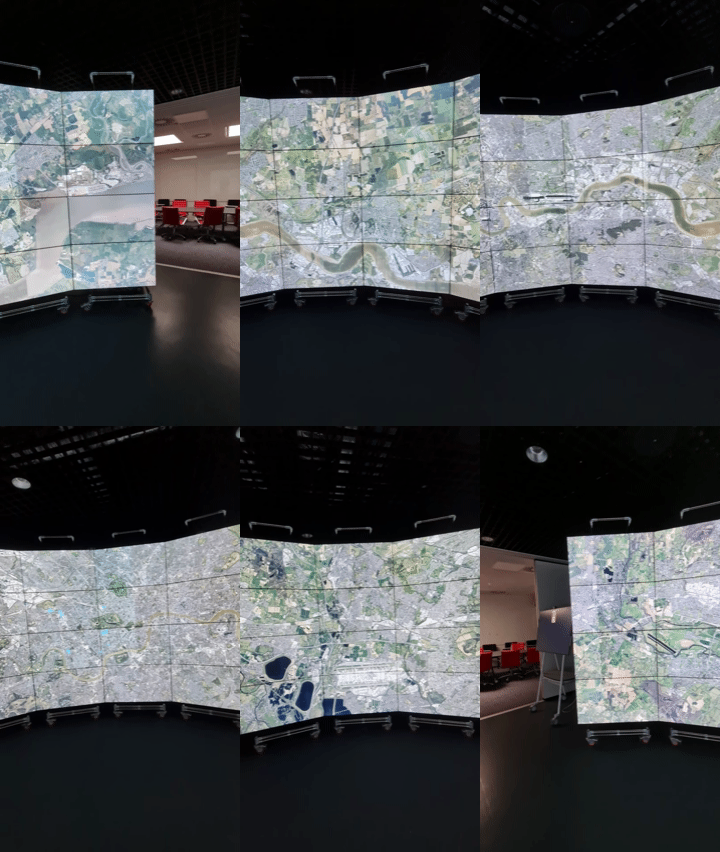
As demonstrated by the Global Data Observatory at Imperial College London, modern research requires matched large-scale visualization environments. However, traditional hardware-bound video walls often fail the "Academic Test" of flexibility and ultra-high resolution.
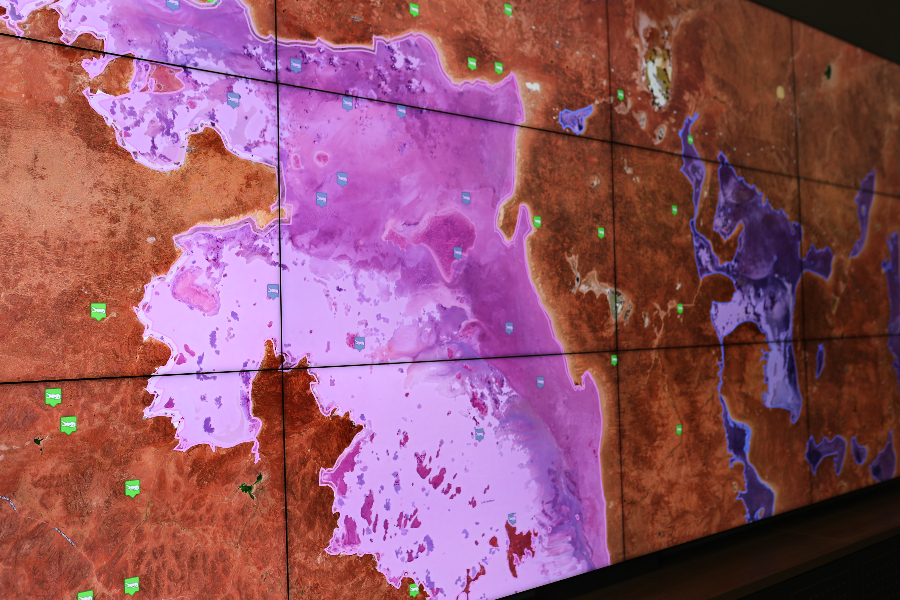
The Academic "Resolution Wall"
Academic research frequently pushes the limits of standard display technology. When working with global GIS maps or complex 3D digital twins, researchers encounter three main barriers:
- Pixel Bottlenecks: A single PC or hardware controller often caps resolution at 4K. For an academic video wall that might span dozens of screens, this results in "stretched" data that hides critical details.
- Siloed Data: Traditional setups make it difficult to compare diverse datasets (e.g., matching genomic data against clinical cohorts) side-by-side on one unified canvas.
- Rigid Environments: Researchers need to switch from a passive data monitor to an active, collaborative brainstorming session in seconds—something hardware-only systems struggle to do.
The DIVS Paradigm: Distributed Interactive Visualization
The thesis "Immersive Social Visual Analytics" explores the shift toward Distributed Interactive Visualization Systems (DIVS). This is precisely where Lygos shines for the academic community. By moving away from a single powerful machine to a cluster of networked nodes, universities gain three major advantages:
1. Unlimited Scalability for "Big Data"
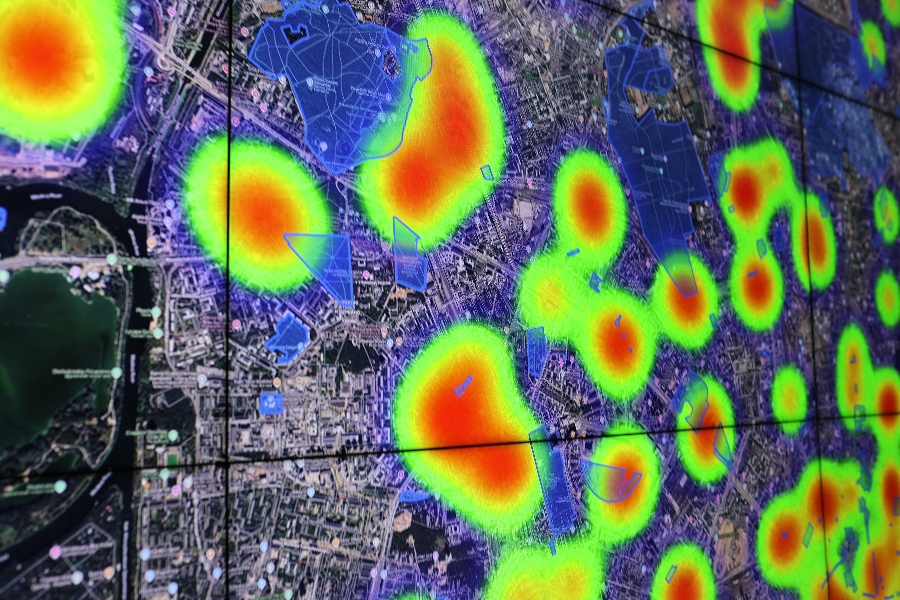
Because Lygos uses a distributed architecture, each screen or group of screens is powered by its own dedicated node. This removes the resolution cap, allowing for seamless screens that exceed 100+ million pixels. Researchers can zoom into a street-level view of London’s air pollution while maintaining a city-wide overview on the same wall.
2. Multi-User Social Analytics
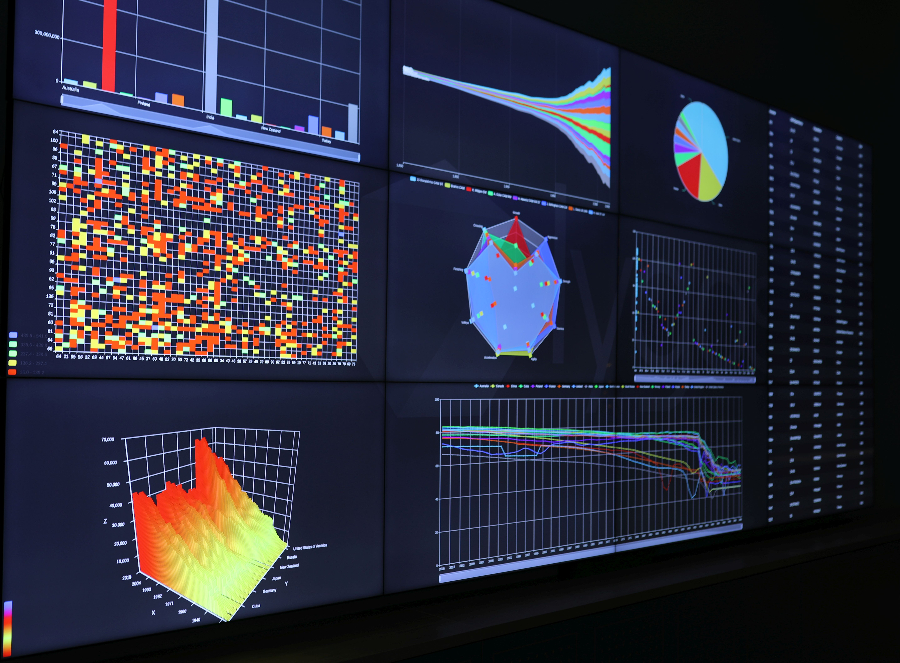
Academic discovery is rarely a solo sport. A distributed software environment allows multiple researchers to interact with different "tiles" or apps on the wall simultaneously. One team member can be exploring a 3D Earth model while another runs a live PowerBI report on the adjacent screens—all within the same unified workspace.
3. Integration of Web and 3D Assets
Lygos bridges the gap between different research tools. Our ecosystem supports:
- Live API Streams: Incorporate real-time social media or sensor data.
- 3D Scenes & Earth Layers: High-fidelity spatial visualizations.
- Legacy BI Tools: Pull in Tableau or PowerBI dashboards directly onto the video wall.
Beyond the Lab: Campus-Wide Versatility
While the core value is in research, a Lygos-powered video wall serves the entire university:
- Teaching & Pedagogy: Transform classrooms with interactive field trips or real-time coding demonstrations.
- Digital Exhibitions: Use the wall as a dynamic gallery for student and faculty creative showcases.
- Strategic Communication: When not in active use, the wall reverts to a premium signage system for campus announcements, global news, and real-time transit data.
Conclusion
The future of academic discovery lies in breaking the distance between the researcher and their data. By adopting the principles of distributed interactive visualization, institutions can create immersive environments that don't just display information—they foster insight.
Is your department ready to break the resolution barrier? Learn more about our academic solutions at https://lygos.io/markets/academics and see how we’re powering the next generation of data observatories.